Category: Science
-

Mississippi River Sediment Diversions & Louisiana
Overview — Sediment Diversions The impacts of coastal land loss threaten Louisiana’s economy, commerce, infrastructure, and culture. Furthermore, the collapse of coastal Louisiana would negatively impact the entire country – we provide protection for infrastructure that supplies 90% of the nation’s outer continental oil and gas, 20% of the nation’s annual waterborne commerce, 26% (by…
-
A global, spatially-explicit assessment of irrigated croplands influenced by urban wastewater flows
1. Introduction Despite significant investments in wastewater treatment infrastructure, levels of treatment in rapidly urbanizing, low-income urban areas are not keeping pace with population growth [1, 2]. Globally, less than 10% of collected wastewater receives any form of treatment [3 ,4]. Concomitantly, agriculture is the largest water user in most countries, representing 70% of total…
-
Persistent spatial structuring of coastal ocean acidification in the California Current System
Across the CCLME, we observed near-shore pH that fell well below current global mean surface ocean pH of 8.1 (Fig. 1). Minimum pH reached as low as 7.43 at the most acidified site, and up to 18% of recorded values fell below 7.8 during the upwelling season (Table S1). These minima are among the lowest…
-

Scientists Listen to Fish to Figure Out How to Save Them
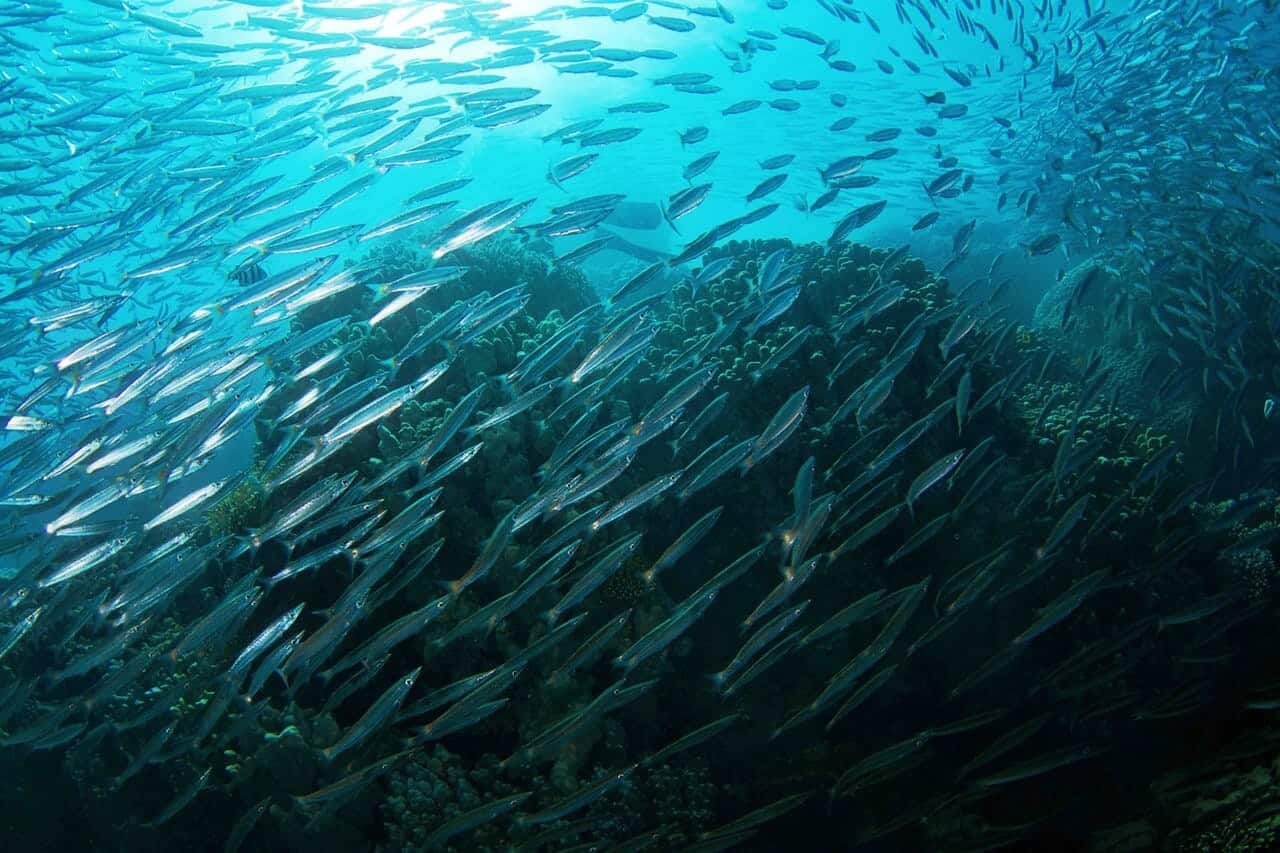
New acoustic techniques that measure fish populations could potentially be used to help endangered species like the totoaba — and in turn the even rarer vaquita porpoise, which is on the brink of extinction. Researchers are listening to fish to gather data on their populations. If you’re over the right patch of water in the…
-
Scientists develop substance to kill water pollutants using solar power
Researchers at the Swansea University in the United Kingdom have developed a new non-toxic substance that can help eradicate harmful synthetic dye pollutants released into water bodies, using solar power. Nearly 300,000 tonnes of pollutants get diffused with water in water bodies in a year. According to a report published in the journal Scientific Reports,…