Category: Solutions
-

Seabirds Return to Desecheo Island One Year After Restoration
One year after Desecheo Island, Puerto Rico was declared free of invasive species, Island Conservation and partners are beginning to see signs of recovery, including Audubon’s Shearwaters sighted on the island for the first time and new Bridled Tern nests discovered. Historians say that you could hardly see the sky for the birds. This was…
-

Why is water quality monitoring important?
Water-quality monitoring helps utilities, regulators, scientists, and communities understand what is in drinking water, whether conditions are changing, and whether treatment and other protective measures are working. Last reviewed: October 2026 15-second takeaway Water-quality monitoring is not a single test that declares water “safe” or “unsafe.” It is a system of planned sampling and measurement…
-
Solar purifier creates its own disinfectant from water and sunlight
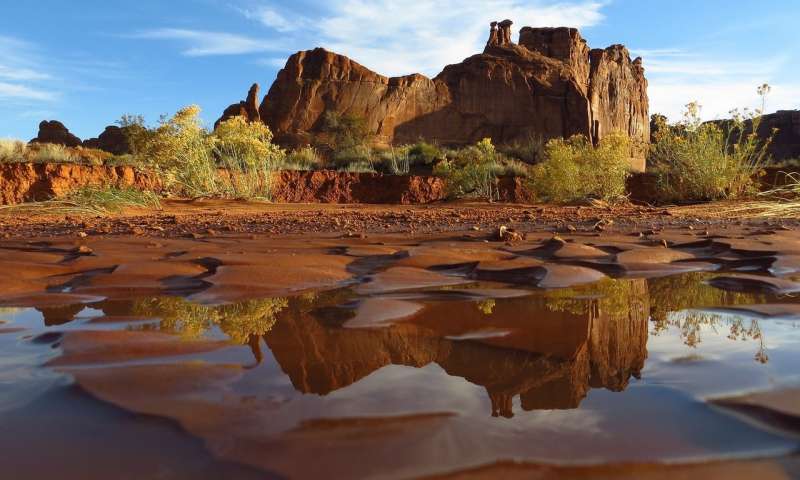
Credit: CC0 Public Domain A hiker gets disoriented while on a desert trek when she comes upon a drying puddle left by a recent rain. Consumed by thirst, miles from home, the hiker must decide whether to drink and risk infection from whatever bacteria are in the puddle, or endure dehydration. But that hiker might…
-

Washington state to use dog to detect invasive mussels on boats
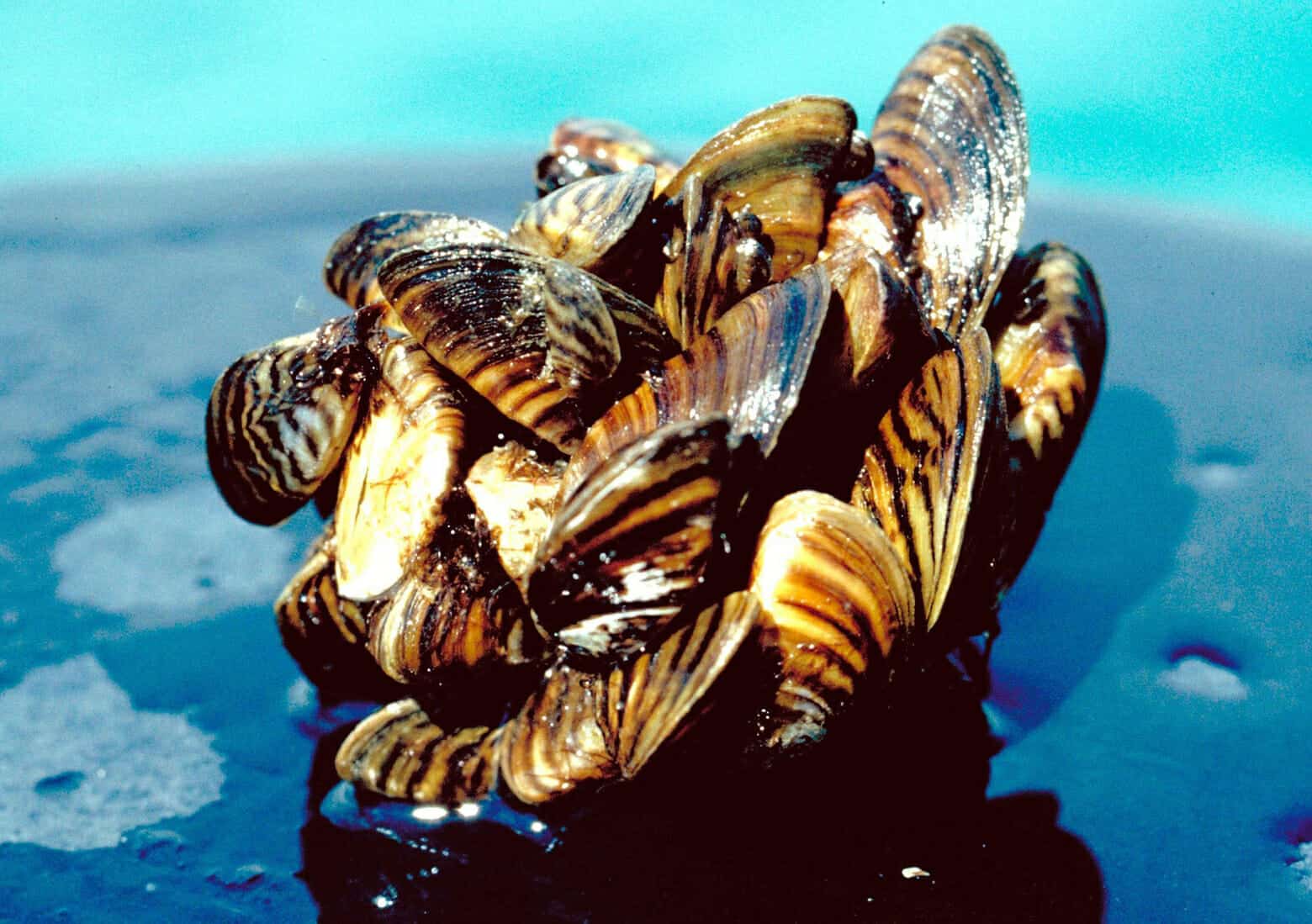
This photo provided by the U.S. Department of Agriculture shows a group of zebra mussels. Government officials are cracking down on ships that allow in invasive species. (Anonymous/The Associated Press) Quagga and zebra mussels siphon in water to pluck out microscopic organisms that can throw food chains out of balance, and their sheer numbers in…
-

Beekeeping preserves wetlands in Algeria
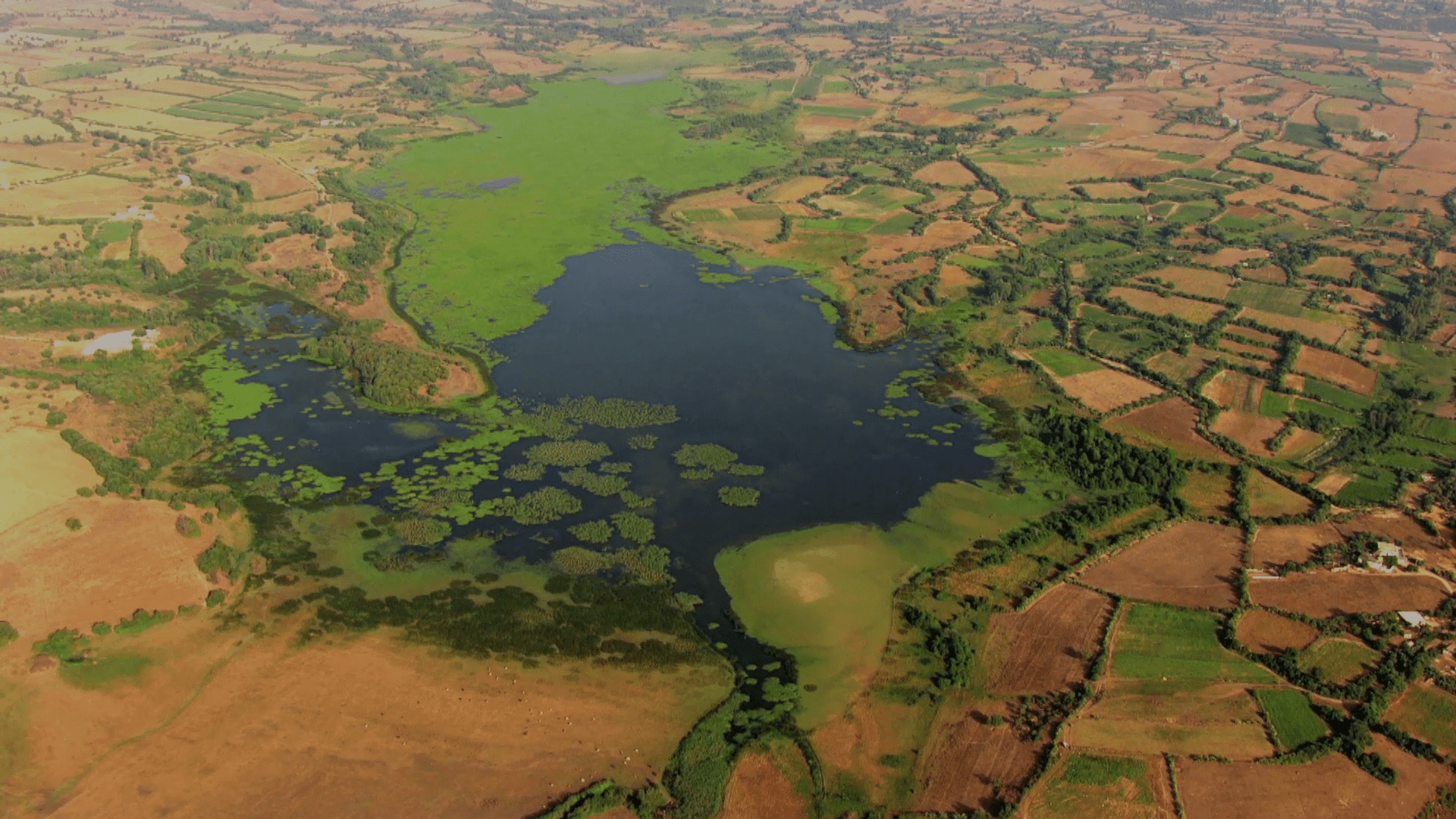
The Wetlands Complex of Guerbès-Sanhadja in Algeria. With an area of 42,100 hectares and 40 million m3 of water reserves in its lakes and ponds, the Wetlands Complex of Guerbès-Sanhadja in Algeria was classified in 2001 as a site of international importance under the RAMSAR Convention. Wetlands act as natural sponges by absorbing and storing…