Category: Ecosystems – Biology – Animals
-

A Geography of Hope
The Copco 2 dam, built in 1925, was the smallest of the four Klamath dams slated for removal. Photo by Shane Anderson. Following the removal of four dams on the Klamath River, the work of restoring the watershed is now underway. The epic task of rewilding a river and restoring its watershed is underway in…
-

California’s freshwater ecosystems are in urgent peril: reconciliation ecology may help
The view of the American River from Sunrise Recreation Area Wednesday, May 17, 2023. Andrew Nixon / CapRadio In California, nearly 4,000 native plant and animal species depend on the state’s freshwater ecosystems. Trout, salmon and smelt run the rivers and carry nutrients to and from the oceans. Nutrients feed the invertebrates that fuel the food chain…
-

The Uphill Battle of Removing Invasive Aquatic Vegetation
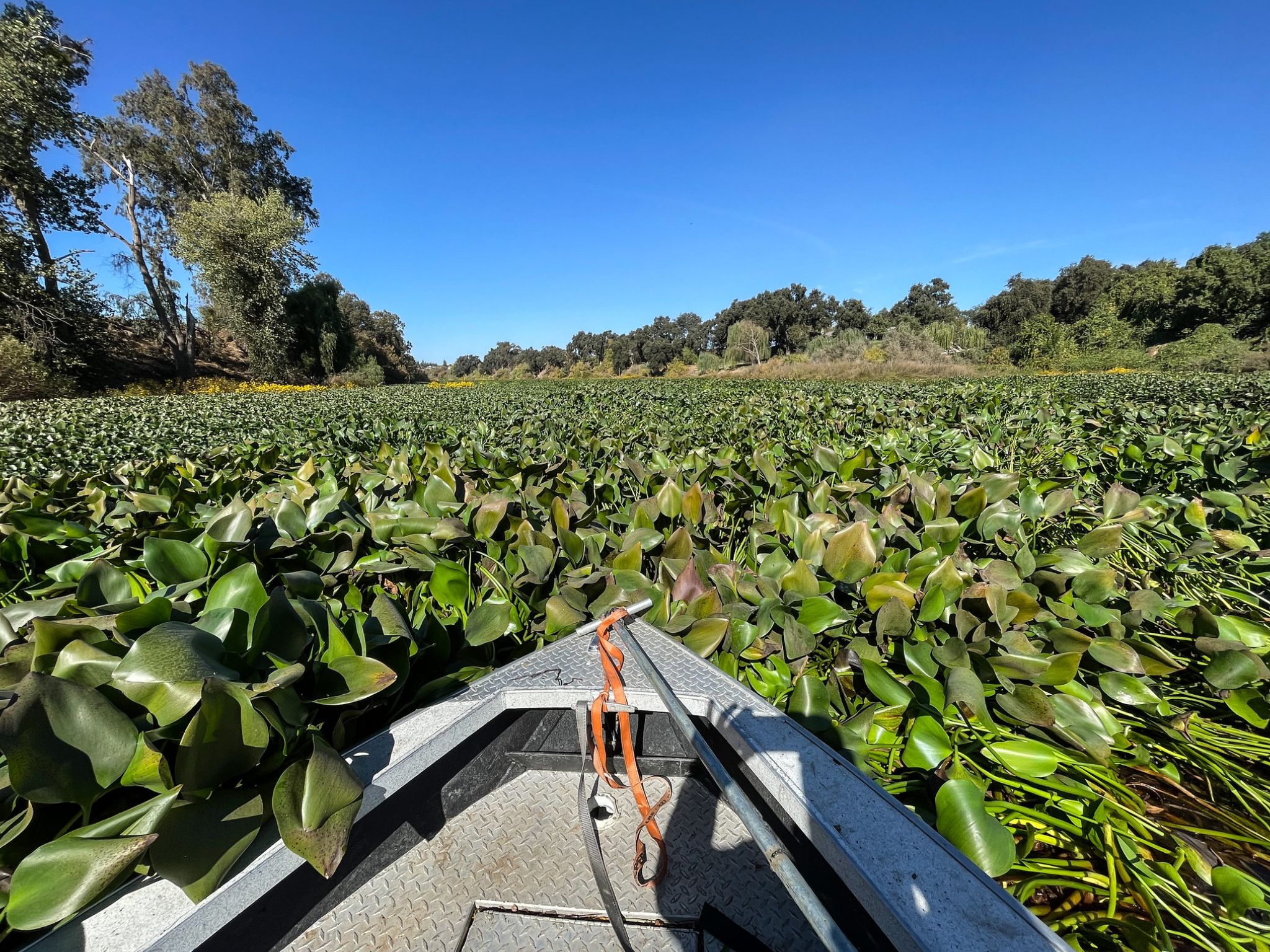
Water hyacinth (Eichhornia crassipes). Sisyphus of the Slough Before the turn of the 21st century, the Sacramento-San Joaquin River Delta was dubbed one of the most biologically invaded estuaries in the world, with non-native plants at the root of the issue. Over 25 years later, the battle against invasive aquatic vegetation in the Delta continues at an…
-
What’s the Deal With Toxic Algae?
Algae Blooms on the Farmington River, Connecticut | Farmington River Watershed Association It’s summer, prime season to play in rivers and lakes. Unfortunately, summer is also toxic algae season, which impacts our ability to enjoy our public waters. Toxic algae are actually a type of bacteria often referred to as “algae” because it looks similar.…
-

Feasting sea otters help reduce erosion, study says
Photo: A sea otter in the estuarine water of Elkhorn Slough, Monterey Bay, California. (Emma Levy via Courthouse News) The return of top predators like otters can help ecosystems, scientists say. After nearing extinction, sea otters are returning to California’s Monterey Bay — and they’ve brought their appetites. That’s great news not just for the…