Category: Solutions
-

Solar and wind energy preserve groundwater for drought, agriculture
Using drought-prone California as a case study, a research team shows that increased solar and wind energy can reduce the reliance on hydropower, especially during drought. Credit: Egan Jimenez, Princeton University Solar and wind farms are popping up around the country to lower carbon emissions, and these renewables also have another important effect: keeping more…
-

Billions of Gallons of Water Saved by Transition Away From Coal
Credit: Pixabay. The ongoing transition from coal to natural gas and renewables in the U.S. electricity sector is dramatically reducing the industry’s water use, a new Duke University study finds. “While most attention has been focused on the climate and air quality benefits of switching from coal, this new study shows that the transition to…
-

Farmers Employ Strategies To Reduce Risk of Drought Damages
Drought is the leading driver of production risk in U.S. agriculture. Although flooding, early frosts, pests, and other risk factors pose major challenges to farmers, no other source of production risk is as nationally significant as drought in terms of lost agricultural production and income. A major drought can reduce crop yields, lead farmers to…
-

Turning conflict into collaboration on critical water challenges
Institutes of Energy and the Environment’s Lara Fowler uses Fulbright scholarship to research innovative solutions UPPSALA, Sweden — When dealing with challenges such as water pollution, droughts and flooding, conflict between people can arise. For example, a farmer in Pennsylvania may resist changing practices that are leading to agricultural runoff. These practices are impacting the…
-

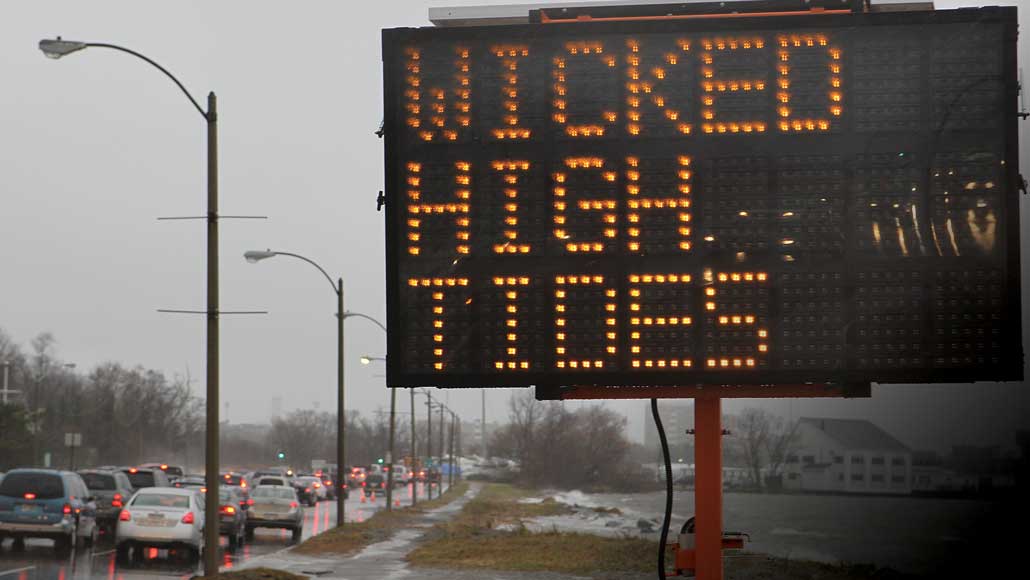
With nowhere to hide from rising seas, Boston prepares for a wetter future
Photo: ON THE RISE Bostonians are getting used to flooding. Morrissey Boulevard (shown), near the campus of University of Massachusetts Boston, gets hit several times a year during high tides. DAVID L. RYAN/BOSTON GLOBE/GETTY IMAGES The coastal city is taking the hint from recent storms and floods Boston dodged a disaster in 2012. After Hurricane…