Tag: WHO
-

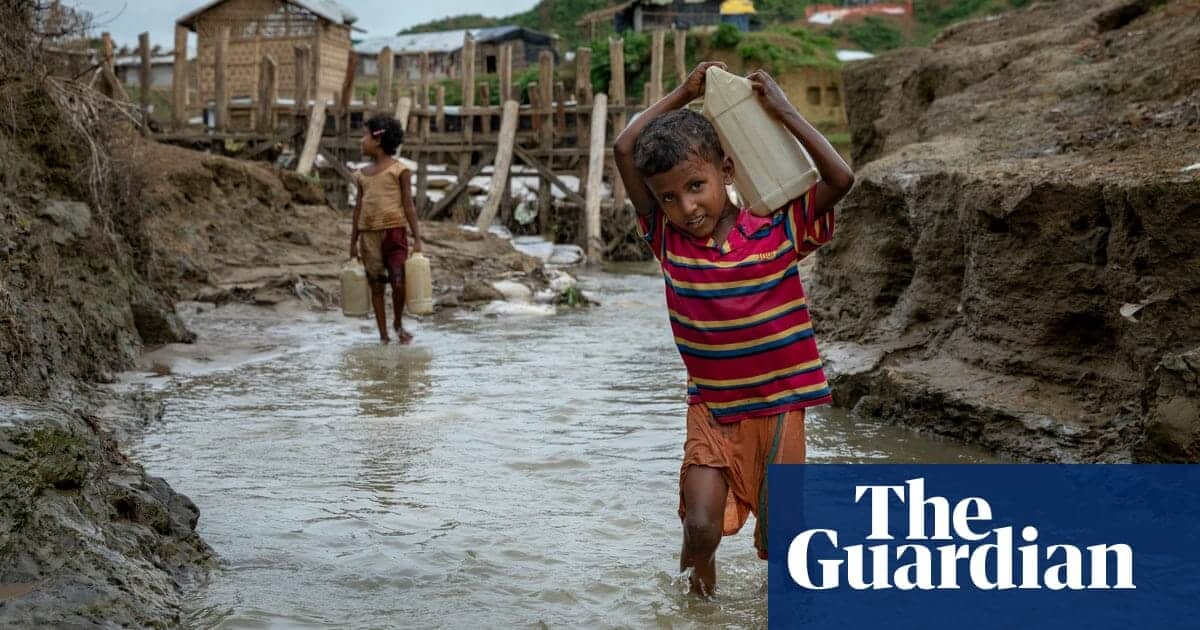
Dirty water 20 times deadlier to children in conflict zones than bullets – Unicef
World Water Day study highlights lethal nature of unsafe sanitation and hygiene for children, especially under-fives Children under five who live in conflict zones are 20 times more likely to die from diarrhoeal diseases linked to unsafe water than from direct violence as a result of war, Unicef has found. Analysing mortality data from 16…
-
Most Bottled Water Contaminated With Microplastics
Plastic has become an incredibly harmful convenience, now threatening environmental and human health alike, and in more ways than one. With Earth Day being tomorrow [April 2018], there is no better time to analyze the impact bottled water has had on our planet. There’s the issue of bulk plastics in our landfills, where it will…
-

Everything you need to know about water
In developing countries, 20 litres of water is enough to meet basic drinking, cooking and hand washing needs. Image: REUTERS/Aly Song Water is one of the most valuable resources on Earth. It covers over two thirds of the planet’s surface, makes up around 70% of the human body and is essential for life. For many…
-

Drinking Water — World Health Organization
Key facts In 2015, 71% of the global population (5.2 billion people) used a safely managed drinking-water service – that is, one located on premises, available when needed, and free from contamination. 89% of the global population (6.5 billion people) used at least a basic service. A basic service is an improved drinking-water source within…
-

Water treatment for cement plant wastewater
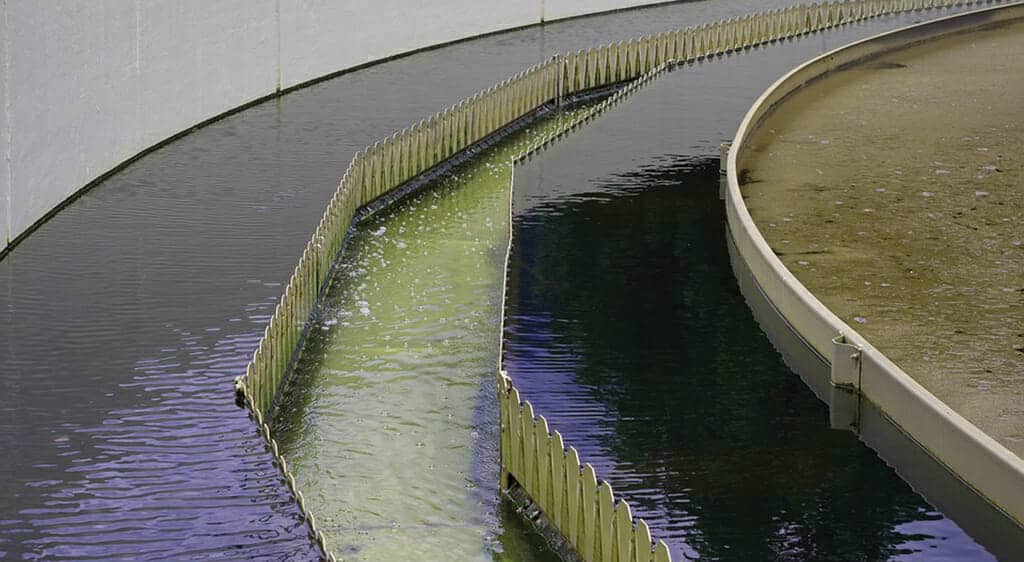
Highlighting the importance of water treatment for cement plant wastewater. A cement plant wastewater treatment system has to be highly effective in order to remove the minute particulate that remains after cement production. This task becomes even more important when a closed system – the industry standard – is in place and the waste water…