Tag: bacteria
-

What’s the Deal With Toxic Algae?
Algae Blooms on the Farmington River, Connecticut | Farmington River Watershed Association It’s summer, prime season to play in rivers and lakes. Unfortunately, summer is also toxic algae season, which impacts our ability to enjoy our public waters. Toxic algae are actually a type of bacteria often referred to as “algae” because it looks similar.…
-

PFAS-chomping bacteria kill some ‘forever chemicals,’ scientists say
Photo: University of California Riverside researchers Yujie Men and Bosen Jin have identified bacteria that’s able to break down some “forever chemicals.” This bacteria is commonly occurring in nature, which means it can easily be put into contaminated groundwater. Sizhuo Zhang / UC Riverside There’s been a lot of concern recently about PFAS, pervasive “forever chemicals”…
-

Freshwater ecosystems at risk due to glyphosate use
Photo: One of the few species that was found to be resistant to severe glyphosate contamination was Scapholeberis mucronata, a freshwater zooplankter commonly found in Québec and elsewhere in North America. Credit: Marie-Pier Hébert A series of recent research papers from a McGill-led team has found that the herbicide glyphosate—commonly sold under the label Roundup—can…
-

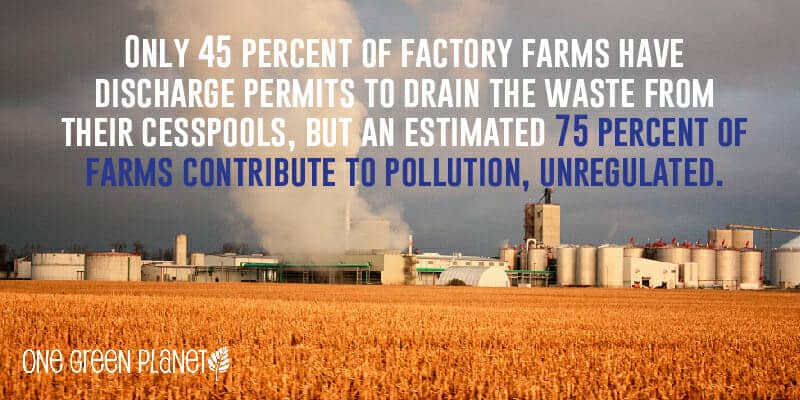
10 Shocking Facts On Factory Farms Will Make You Rethink That Burger
Graphic by Hannah Williams In the United States, around 27 billion animals are raised for food every year. These animals are subjected to lives in extreme confinement where they live in fear and pain. The cruelty that these animals experience is rather well-known and understood, however, the negative environmental impact that raising this many animals…
-

Researchers identify new toxic byproducts of disinfecting drinking water
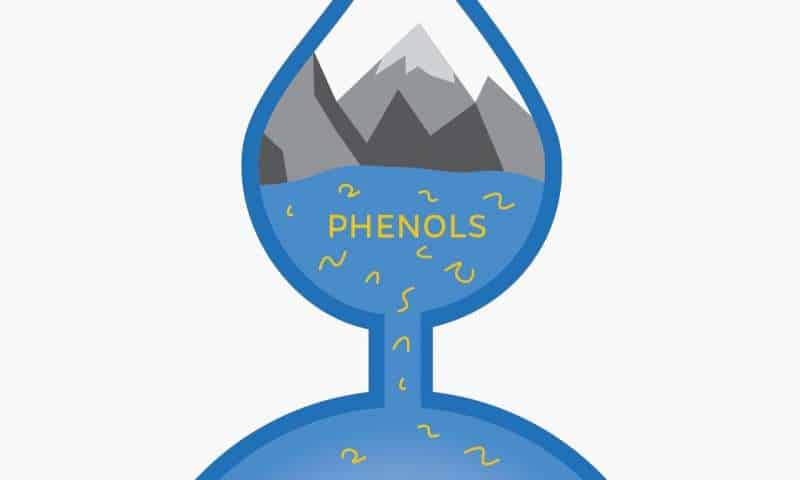
Image: When phenols, compounds that are commonly found in drinking water, mix with chlorine, hundreds of unknown, potentially toxic byproducts are formed. Credit: Marissa Lanterman/Johns Hopkins University Mixing drinking water with chlorine, the United States’ most common method of disinfecting drinking water, creates previously unidentified toxic byproducts, says Carsten Prasse from Johns Hopkins University and…