Indigenous land-management strategies have been largely missing from modern attempts to combat the effects of devastating wildfires and worsening climate change in California. A new $7 million grant aims to change that.
The grant project is being led by San Diego State University along with the Climate Science Alliance’s Tribal Working Group, which consists of more than 20 Southern California Tribal governments and communities. For its role, UC Riverside will receive $1 million.
Funded by the state and the University of California, the project establishes the Collaborative of Native Nations for Climate Transformation & Stewardship, or CNNCTS, whose larger goals include multifaceted research and training endeavors.
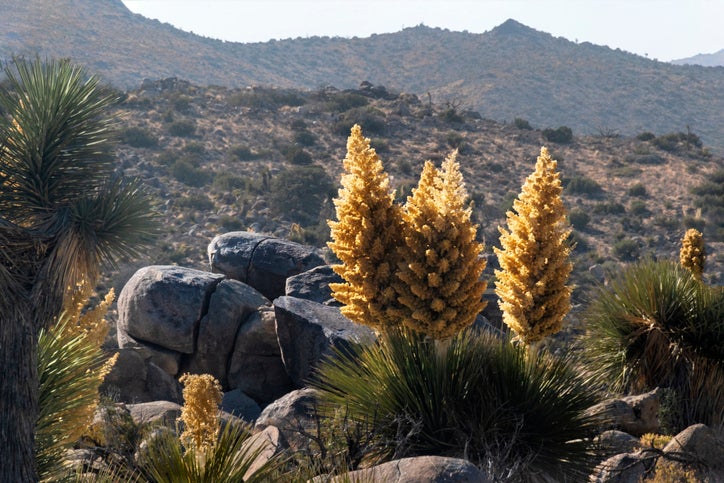
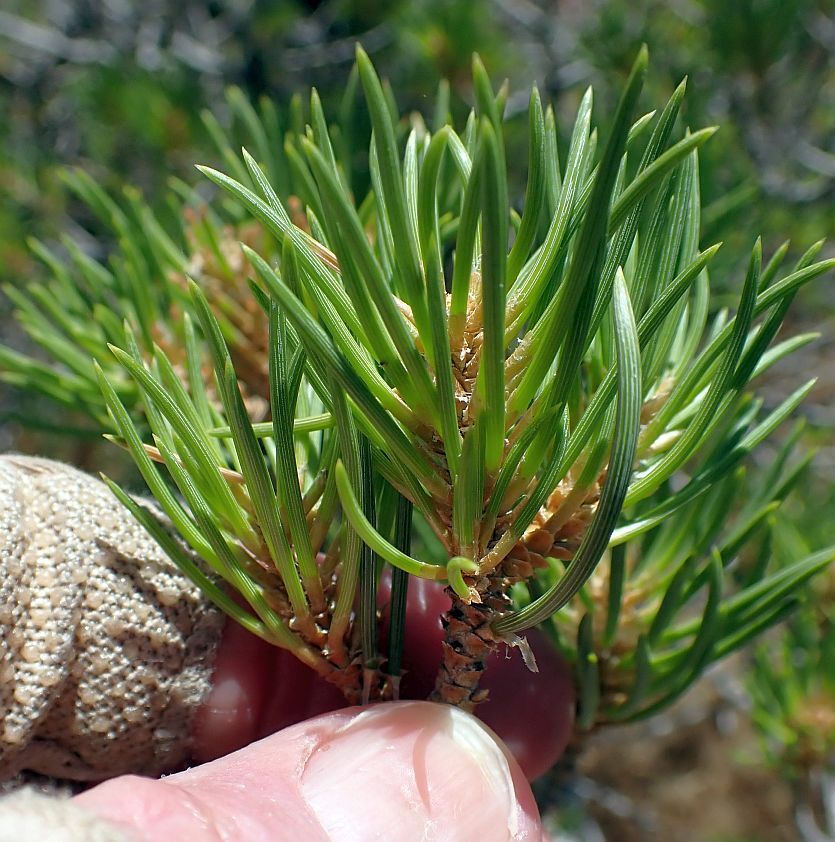
All wild plants are affected by intensifying drought, heat, fires, and urban development. A goal of the collaborative is to accelerate the preservation of species like oaks and piñon pines that are both key to Indigenous traditions and are also essential for maintaining healthy ecosystems in Southern California.
For example, acorns from multiple species of local oak trees were once a significant dietary staple for area tribes, and they remain an important cultural resource. Oak woodlands also protect soil from erosion, sequester carbon dioxide, help protect drinking water quality, and provide shelter for hundreds of vertebrate animal species.
“We are looking at how species’ ranges and populations change through time, whether fire and climate will make species likely to disappear from tribal lands, and how best to restore habitats that help these plants persist in support of tribal communities,” said Helen Regan, a UCR biology professor conducting ecological modeling activities for the project.
Simultaneously, scientists at San Diego State University are conducting genetic studies of plants to determine the species and locations that are most resilient to heat or drought. “It may be possible to use seeds from the most drought-resistant plants for restoration or translocation efforts,” Regan said.
A parallel goal of the collaborative is to expand opportunities for students using UC natural reserve lands as living laboratories. Weary of seeing wildlands get bulldozed for roads and buildings, a group of UC scientists banded together in the 1950s to start a network of natural areas managed specifically for academic use.
On these lands, spread throughout California and managed by UC campuses, researchers can[…]
Full article: news.ucr.edu
Coral reefs already face a litany of threats. Experts say storm runoff from the recent…
https://www.youtube.com/watch?v=0Xqa0B9r7Y8 Iowa water: Pulitzer Prize winner Art Cullen and award-winning cinematographer Jerry Risius have teamed…
Clean water is essential for life, yet millions of Americans unknowingly consume contaminants through their…
Human brains contain higher concentrations of microplastics than other organs, according to a new study, and the…
From the Office of the Governor: In anticipation of a multi-day, significant atmospheric river in Northern California,…
From Governor Newsom: Scientists, water managers, state leaders, and experts throughout the state are calling…